
Hoe gebruik ik Angelus verf?
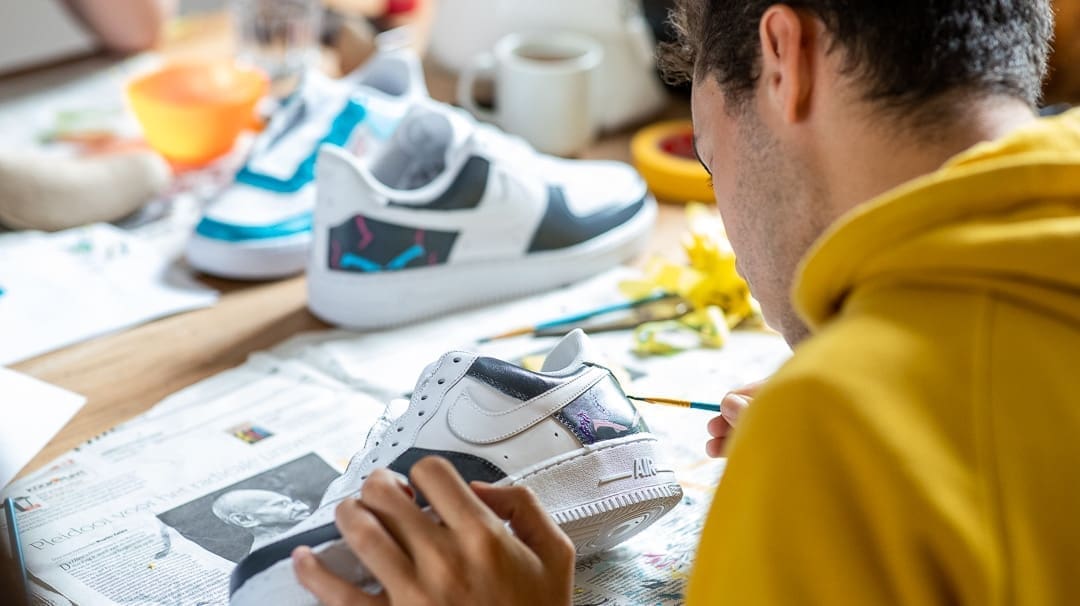
Add your content hereAngelus leerverf kan op elk leeroppervlakte worden gebruikt, maar ook op vele andere oppervlakken, zoals canvas, textiel en mesh! Zorg er altijd voor dat je de oppervlakte goed prepareert.
Angelus leerverf wordt niet aanbevolen voor het gebruik op de zolen van je schoenen, omdat de verf wegslijt zodra je begint te lopen.
Je kan het wel gebruiken op midsoles (Jordan 3’s, Jordan 4’s). Op robuustere midsoles is Angelus leerverf niet de beste optie (Converse, Vans, Jordan 1’s, Air Force 1’s, enz.).. Click to edit and customize.
- Zorg er allereerst voor dat de leer schoon en droog is.
- Bevochtig een microvezel doek met de Leather Preparer & Deglazer
- Wrijf zorgzaam in een roterende beweging om de fabrieksafwerking, vuil en vettigheid te verwijderen van het te verven oppervlakte.
- Verwijder overtollige residuen weg met een schoon microvezel doek.
- Geef het te verven oppervlak de mogelijkheid om minimaal 30 minuten te drogen.
Op basis van ervaring kunnen we ongeveer de volgende maatstaven aanhouden.
Let op: dit blijft echter afhankelijk van meerdere factoren zoals onderlaag, type leer, of je de voorbehandeling goed doet en zo zijn er nog een paar.
- Voor een paar sneakers is een potje van 29,5 ml voldoende.
- Voor een autostuur is een potje van 29,5ml voldoende
- Voor een handtas is een potje van 118ml voldoende.
- Voor een eetkamerstoel is een potje van 118 ml voldoende.
- Voor een kleine 2-zits bank is 4 x 118 ml voldoende.
- Voor de voorbehandeling en finisher is doorgaans de helft nodig van de gebruikte hoeveelheid verf.
De bovenstaande artikelen zijn essentieel in het correct toepassen van Angelus leerverf.
- Begin met het prepareren van de oppervlakte met behulp van de Leather preparer & deglazer in combinatie met de wattenschijfjes.
- Wanneer de oppervlakte schoon en droog is, gebruik je maskeertape om het gebied dat je gaat verven af te bakenen.
- Gebruik de penselen om de verf dun aan te brengen. Indien nodig doe je meerdere lagen, maar wacht wel tot de eerste laag droog is voordat je de volgende aanbrengt. Het dun aanbrengen van verf betekend dat de eerste lagen dus niet direct dekkend zullen zijn. Hier heb je meerdere laagjes voor nodig.
- Ondanks dat het geen verplichting is, wordt het ten zeerste aangeraden om ook een nabehandelingsproduct te gebruiken voor een extra laagje bescherming op jouw net gemaakte kunstwerk. Je kan zelf de keuze in finisher afhankelijk van de mate van glans die je wilt hebben.
Veelgestelde vragen
- Zorg er allereerst voor dat de leer schoon en droog is.
- Bevochtig een microvezel doek met de Leather Preparer & Deglazer
- Wrijf zorgzaam in een roterende beweging om de fabrieksafwerking, vuil en vettigheid te verwijderen van het te verven oppervlakte.
- Verwijder overtollige residue weg met een schoon microvezel doek.
- Geef het te verven oppervlak de mogelijkheid om minimaal 30 minuten te drogen.
- Suède en nubuck hoeven niet met aceton of de Leather preparer & deglazer voorbereid te worden. Dit is ook niet aangeraden.
- Zorg dat de oppervlakte schoon, droog en vrij van stof is.
- Beide kunnen gebruikt worden om leer te prepareren. Acetone heeft echter sterkere chemicaliën waardoor de leer beschadigd kan worden. Leather preparer & deglazer is een veiliger alternatief welke het leer niet beschadigd.
- Ga altijd zorgvuldig om met beide producten!


Veelgestelde vragen
Angelus leerverf kan op elk leeroppervlakte worden gebruikt, maar ook op vele andere oppervlakken, zoals canvas, textiel en mesh! Zorg er altijd voor dat je de oppervlakte goed prepareert.Angelus leerverf wordt niet aanbevolen voor het gebruik op de zolen van je schoenen, omdat de verf wegslijt zodra je begint te lopen.
Je kan het wel gebruiken op midsoles (Jordan 3’s, Jordan 4’s). Op robuustere midsoles is Angelus leerverf niet de beste optie (Converse, Vans, Jordan 1’s, Air Force 1’s, enz.).
De bovenstaande artikelen zijn essentieel in het correct toepassen van Angelus leerverf.
- Begin met het prepareren van de oppervlakte met behulp van de Leather preparer & deglazer in combinatie met de wattenschijfjes.
- Wanneer de oppervlakte schoon en droog is, gebruik je maskeertape om het gebied dat je gaat verven af te bakenen.
- Gebruik de penselen om de verf dun aan te brengen. Indien nodig doe je meerdere lagen, maar wacht wel tot de eerste laag droog is voordat je de volgende aanbrengt. Het dun aanbrengen van verf betekend dat de eerste lagen dus niet direct dekkend zullen zijn. Hier heb je meerdere laagjes voor nodig.
- Ondanks dat het geen verplichting is, wordt het ten zeerste aangeraden om ook een nabehandelingsproduct te gebruiken voor een extra laagje bescherming op jouw net gemaakte kunstwerk. Je kan zelf de keuze in finisher afhankelijk van de mate van glans die je wilt hebben.
Op basis van ervaring kunnen we ongeveer de volgende maatstaven aanhouden.Let op: dit blijft echter afhankelijk van meerdere factoren zoals onderlaag, type leer, of je de voorbehandeling goed doet en zo zijn er nog een paar.
- Voor een paar sneakers is een potje van 29,5 ml voldoende.
- Voor een autostuur is een potje van 29,5ml voldoende
- Voor een handtas is een potje van 118ml voldoende.
- Voor een eetkamerstoel is een potje van 118 ml voldoende.
- Voor een kleine 2-zits bank is 4 x 118 ml voldoende.
- Voor de voorbehandeling en finisher is doorgaans de helft nodig van de gebruikte hoeveelheid verf.
Verf dunne laagjes totdat je een egaal en dekkend resultaat ziet. Herhaal dit totdat je het gewenste resultaat hebt behaald.
Wacht tussen de 10 en 15 minuten voordat je een nieuwe laag aanbrengt.
We kunnen altijd advies geven, de uiteindelijke beslissing moet je echter zelf nemen.
De kleuren die getoond worden op de site zijn gefotografeerd in een studio met verlichting. Daarnaast speelt ook het ondergrond en de dikte waarin je het aanbrengt een rol. Ook kan het zijn dat de kleuren wat afwijken in verband met de batch uit het productieproces. Helaas hebben wij hier weinig controle over.
Probeer het daarom dus altijd eerst uit op een niet zichtbare plek.
Yes! Angelus leerverf is zo geformuleerd om makkelijk te kunnen mixen. Je bent zelf in controle om meer dan duizenden kleurencombinaties te creëren.
Om penseelstreken te voorkomen, moet je een schone penseel gebruiken van hoog kwaliteit.
Breng de verf vervolgens in lange dunne stroken aan om het zo gelijkmatig over de oppervlakte te verspreiden.
Angelus leerverf kun je het beste dunner maken met Angelus 2-thin. Afhankelijk van hoe dun je het wilt hebben, voeg je Angelus 2-thin toe.
De voorbereiding is het halve werk.. Zorg dat je de oppervlakte goed schoonmaakt en prepareert voordat je begint. Dit voortkomt vaak het kraken.
Om de leerverf doffer te maken moet je Angelus Duller aan de verf toe te voegen. Het is aangeraden om tussen de 5 tot 10% Duller te gebruiken in verhouding tot de hoeveelheid verf. Meer is niet nodig
Om een glanzend effect te hebben gebruik je deAngelus High Gloss finisher. Breng de finisher aan in dunne gelijkmatige laagjes nadat de verf volledig droog is.


Veelgestelde vragen
Om de oppervlakte te beschermen, is het aangeraden om een finisher aan te brengen nadat je klaar bent met verven. Breng de finisher gelijkmatig aan in dunne lagen.
We biedenmeerdere type finishersaan en het verschil zit hem met name van glans: mat, Satijn, Normaal en Hoog glans
Zorg ervoor dat je de fles goed schudt voor gebruik elke keer. Als je dat niet doet krijg je niet de juiste samenstelling van verf en de duller die er standaard in zit.
Dat kan! Gebruikde Angelus Dullerhiervoor. Je hebt niet veel nodig, in verhouding maar 5%.
Yes! Hoe meer lagen er zijn toegevoegd, des te meer beschermingslagen het zijn.
De 4-coat finishers zijn nog beter om krassen tegen te gaan.
Alle finishers drogen transparant op.
Zorg ervoor dat het oppervlak volledig droog is en klaar is voor de nabehandeling voordat je de finisher aanbrengt.
Als het nog steeds kleverig aanvoelt, breng dan een beetje schoensmeer of lotion aan op het oppervlak en masseer het in.


Veelgestelde vragen
Angelus leerverf is zo samengesteld dat het onwijs flexibel en niet krakend is. Als de oppervlakte goed is geprepareerd kan je de leerverf ook toepassen op oppervlakken als vinyl, patent leer en textiel.
Dit is mogelijk. Je moet het echter wel verdunnen met Angelus 2-thin.
De aanbevolen ratio hangt natuurlijk af van de dikte die je wilt behouden in de verf, maar het is meestal 1:1, 1:4 (2-thin : verf).
Dit is mogelijk. De finishers zijn dun genoeg om direct door een airbrush te gaan. Je hoeft daar dus niets aan toe te voegen.
Hoewel airbrushen voor velen de beste keuze lijkt, is het verven met een kwast of penseel in veel omstandigheden een betere optie. Denk aan het verven van kleine oppervlaktes en detailwerk. Uiteraard moet je zelf de keuze maken.
Veelgestelde vragen
De indringverf dringt in de oppervlakte, waardoor het vermengt met de kleur van de oppervlakte. Als je dus iets wit verft met rood, wordt het roze.
De leerverf zit daarentegen op het oppervlak en grijpt vast. Je kunt alles bedekken met verf.
De Angelus leerverf is op water gebaseerd, terwijl de Angelus indringverf op alcoholbasis zijn.
Als je de Angelus suède indringverf op leer gebruikt, is deze mogelijk niet sterk genoeg of vol genoeg met pigment om de leer aan te passen.
Zwart suede kan soms problemen veroorzaken:
- Als je te veel indringverf aanbrengt, kan het een regenboogkleurige look veroorzaken.
- Als je het flesje niet schudt wordt de indringverf niet goed gemengd en laat het een tint achter.
- Als de zwarte oppervlakte wat je wilt bewerken niet echt suède is.
Om te voorkomen dat zwart suede wordt verpest, veeg je de oppervlakte af met een doek met water en alcohol.
Nee. Je kan dat enkel doen met chloor of iets dergelijks. Met indringverf gaat helaas niet lukken.
Nee. Angelus heeft geen witte suède indringverf. Als je suède wit wilt maken, gebruik je daar meestal chloor voor.
Ja, je kunt kleuren mengen om andere kleuren te maken, maar dat kan nadelige gevolgen hebben. Een normale kleurmenging zoals bij leerverf kan heel vreemd zijn met indringverf.
Bij elk potje indringverf krijg je een wollen bol meegeleverd. Wij brengen het echter het liefst aan met een penseel, zo kan je accurater te werk gaan.
Na het aanbrengen van de indringverf met een penseel, is de penseel niet meer te gebruiken voor andere doeleinden.
Om te voorkomen dat de geverfde oppervlakte met Angelus indringverf gaat bloeden, kun je de oppervlakte poetsen nadat het is opgedroogd. Gebruik daarna een van onze beschermmiddelen zoals Crep Protect of Liquiproof om het volledig in te sluiten.


